East Austin starts early. Coffee shops fill up, breakfast tacos are already moving, and by the time a lot of the city is still waking up, people are out walking dogs, heading to the trail, or catching the train at Plaza Saltillo. It feels lived-in, active, and a little different from one block to the next.
If you are thinking about living in East Austin, you might be curious: what does it actually feel like to live here day to day, how expensive is it, and what should you understand about how much the area has changed over time?
In this guide, we break down what daily life looks like here, what you can expect from the food and arts scene, how transit works, what housing costs look like right now, and a few things worth understanding before you make a move.
East Austin is close to Downtown, which is a big reason people are drawn to it. You can stay connected to the city without feeling like you are right in the middle of everything.
What “East Austin” means
When locals say “East Austin,” they usually mean the area east of I-35 and just north of Lady Bird Lake. It really includes several distinct neighborhoods rather than a single one.
You'll hear people reference parts of East César Chávez, Govalle, Cherrywood, Mueller, and others. For planning and zoning context, the City of Austin treats these as separate neighborhood planning areas, which you can explore on the City’s Neighborhood Planning page.
Daily routines
Coffee and daytime life
East Austin has no shortage of coffee spots, and a lot of them end up being more than just coffee stops. They are places people work from, meet friends, reset between errands, or hang out for a while before heading downtown or to the trail.
And because this is Austin, the lineup changes. Hours shift, places come and go, and some spots get busy fast, so it is always worth checking before you go.
On a weekday, it usually feels relaxed but active, people working outside, catching up over coffee, or just moving through their normal routine.
Groceries and everyday convenience
Where things get easy really depends on the block.
If you are near Cesar Chavez, East 6th, or around Plaza Saltillo, a lot is within reach. You can grab coffee, food, and a few daily essentials without going far. Mueller feels different, it is more planned out, with larger grocery stores and things like the Texas Farmers’ Market at Mueller on Sundays that people actually build into their routine.
Outside of those pockets, you will probably still be hopping in the car for certain errands. It is not fully walkable everywhere, and most people expect that going in.
Parks, trails, and lake time
Being close to the lake is a big part of living in East Austin.
Rosewood Park and nearby spaces are where you will see people gathering, playing pickup games, or just hanging out. Then you have Lady Bird Lake, which is where a lot of daily movement happens, runners, cyclists, people walking dogs, all throughout the day.
A lot of people access the trail around Festival Beach, whether it is for a quick loop or a longer run or ride.
If you want specifics on parks or events, the City’s Parks and Recreation resources are the best place to check what is current.
Getting around, transit and biking
A lot of people still drive, but East Austin does give you options if you do not want to rely on your car all the time.
You have CapMetro bus routes running through the area, plus the MetroRail at Plaza Saltillo, which makes it easier to get downtown or head north. It is not perfect for every commute, but for the right setup, it works well.
Transit has improved over the last couple of years with newer routes, but schedules can change, so it is always worth checking CapMetro directly before relying on it day to day.
The area itself is relatively flat, which is why you will see a lot of people biking or using scooters, especially into downtown.
Dining and going out
Food is a big part of what draws people to East Austin, and it is one of the reasons people stay.
You can keep it simple with tacos or a food truck one day, then go somewhere more elevated the next. That mix is part of what defines the area.
Things do change quickly in Austin, hours, lines, what is popular, so it is always worth double-checking before heading out.
A few spots that help give you a feel for the area:
- Franklin Barbecue, if you have not been, it is one of those places people plan for. The line is part of the experience.
- Suerte, more of a night out or special dinner, a modern take on Mexican food right on East 6th.
- Micklethwait Craft Meats, a great example of the food truck side of East Austin, and still a go-to for a lot of locals.
- East 6th bars, easy places to meet up, grab a drink, and not overthink it.
- Food truck parks, always rotating, always something new, especially for quick or late-night food.
- Neighborhood cafes and bakeries, part of people’s actual routines, not just weekend spots.
Arts, culture, and events
East Austin Studio Tour
Every November, artists open their spaces to the public for a free, self-guided tour. It started as an East Austin-focused event and has grown across the city, but East Austin is still a big part of it.
If you are into art or just want to explore different parts of the neighborhood, it is worth checking out. You can find details on Big Medium’s Austin Studio Tour page.
Six Square and cultural history
East Austin has a deep cultural history that is still very present.
The Six Square district focuses on preserving and celebrating African American history in the area through art, music, and community spaces. Events like Juneteenth and other neighborhood festivals are a big part of that.
Community events and music
Live music here is not just one strip or one area. It is spread out, small venues, patios, houses turned into stages, local events in parks.
There is usually something going on, whether it is a pop-up, a small show, or a neighborhood event. For more structured events, the City’s Parks and Recreation page is a good place to check.
A note on change in East Austin
East Austin is not just a popular place to live, it is also an area with a long history, and a lot of change.
Over time, there has been significant redevelopment, new construction, and increased demand. That has brought new businesses and energy to the area, but it has also raised real conversations around affordability, displacement, and what happens to existing communities.
If you are thinking about living here, it is worth understanding both sides, what draws people in today, and the history that shaped the area over time.
East Austin housing market (February 2026)
Prices right now
As of February 2026, one snapshot put the median sale price for East Austin around $506,000. In comparison, data from the 78702 zip code showed averages closer to $760,900.
That range tells you a lot. Prices can shift pretty dramatically depending on the exact block, property type, and whether you are looking at older homes, new builds, or condos.
Think of these numbers as a general reference point, not something fixed.
What you will see
- A mix of older bungalows and cottages closer to downtown.
- Newer townhomes and infill builds, especially in more walkable pockets.
- Condos and mid-rise buildings along busier corridors.
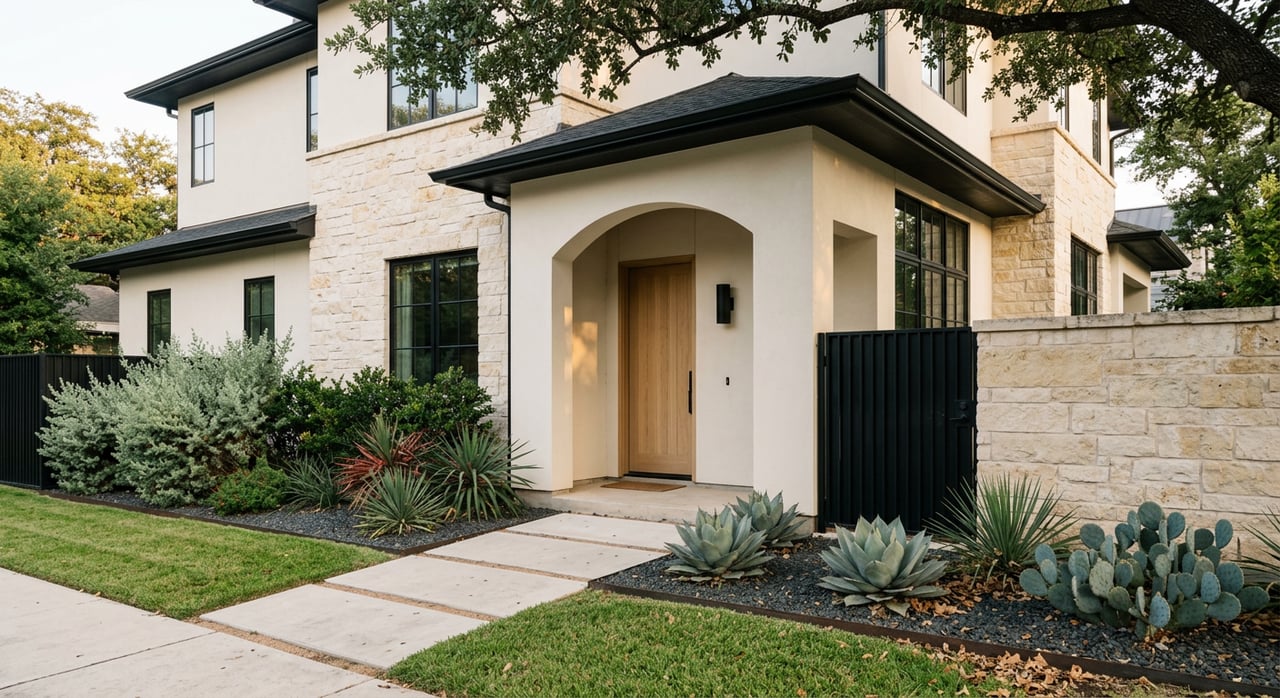
- Mueller, which feels more planned, with newer homes and a mix of residential and commercial spaces.
Things to pay attention to
- Older homes can come with foundation, drainage, or permitting considerations, so inspections matter.
- Parking and HOA setups vary a lot, especially with newer construction.
- If you are thinking long-term, it is worth looking into zoning and what can or cannot be built on a lot.
Renting in East Austin
Rental pricing really depends on where and what you are looking at.
A newer apartment along a main corridor is going to feel very different, and be priced differently, than a smaller unit or duplex on a quieter street.
It's best to go in expecting a range and look at current listings to get a real sense of what's available.
Is East Austin a fit for you?
East Austin works really well for some people, and less so for others. It depends on what you're looking for.
Some areas are walkable, others aren't. You might be driving more than you expect depending on where you land. There is a mix of old and new, and it's still changing.
A quick way to think about it:
- You like being near things like Cesar Chavez, East 6th, Plaza Saltillo, or Mueller, and you are okay with driving when needed.
- You care about having a strong food scene close by.
- You would actually use the trail, bike, or take transit occasionally.
- You are comfortable with a neighborhood that is still evolving.
- You are open to different types of homes depending on your budget.
If that sounds like you, East Austin can be a really good fit.
If you are planning a move to East Austin, reach out to Dueñas Realty Group. We can help you figure out which part of the area actually fits how you want to live, and build a clear plan from there.
FAQs
Can you walk everywhere in East Austin?
Some parts are very walkable, especially near Cesar Chavez, East 6th, Plaza Saltillo, and Mueller. Other areas still require short drives for certain errands.
What types of homes are common in East Austin?
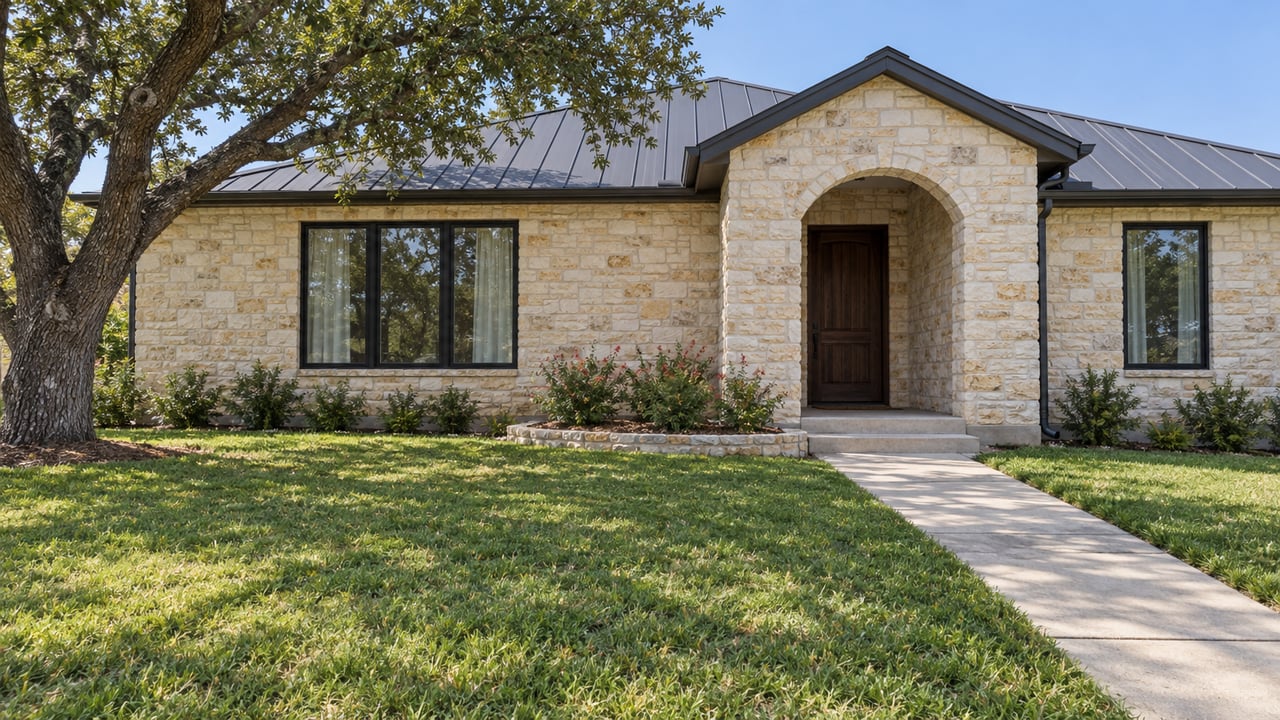
You will see older bungalows and cottages, newer townhomes, condos, and master-planned homes in areas like Mueller.
Is public transit realistic for commuting?
It can be. Between bus routes and the MetroRail at Plaza Saltillo, some people use it regularly. It depends on where you are going, so it is worth checking routes ahead of time.
Disclaimer: This post is intended for general informational purposes only and should not be relied on as legal, tax, lending, zoning, or investment advice. Market conditions, pricing, rents, business hours, transit options, development activity, and neighborhood details can change over time. Any numbers or market references included here are based on information believed to be reliable when published, but accuracy is not guaranteed. Always verify current property details, zoning, restrictions, school information, and market data with the appropriate sources before making a real estate decision.